
Sunoco/Energy Transfer Jet Fuel Pipeline Leak in Upper Makefield Township
The Twin Oaks pipeline is old, with construction dating back to 1956 and portions such as the still-operating Twin Oaks Pump Station in Upper Chichester Township, Delaware County, PA, were built in the 1930’s. At 105.5 miles, it’s also very long, starting at the Twin Oaks Terminal in Aston, Pennsylvania, traveling under the Delaware River and ending at the Newark Terminal in Newark, New Jersey. The pipeline is part of one of the oldest and largest refined petroleum pipeline systems, running 730 miles through several states. The age and expanse of Twin Oaks, owned by Energy Transfer since they took over Sunoco, poses the threat to pollute entire regions. The failure of a section of the pipeline in Upper Makefield Township that released petroleum into the groundwater, poisoning local water supplies, should be the red flag that shut down the line so that it could be fully assessed and, if possible, repaired. But instead, agencies are allowing it to continue to operate with some adjustments, while the slow process of investigation and remediation plays out. Every day the pipeline remains in operation brings the potential for an even wider environmental catastrophe becomes more likely. The bureaucracies that are overseeing the response to the pipeline failure and leak, such as the Pipeline and Hazardous Materials Safety Administration (PHMSA), and those that still have their head in the sand, such as New Jersey Department of Environmental Protection, are neglecting to recognize this reality and instead are bending over backward to give deference to the corporate interests, allowing them to continue business as usual with minor adjustments to their operations. This is irresponsible and threatening millions of people with toxic pollution of their water and environment.
For updates on the ongoing investigations and remediation of the pipeline failure and petroleum leak in the Mt. Eyre section of Upper Makefield Township, Bucks County, PA, go here:
- Upper Makefield Township: https://uppermakefield.org/mt-eyre-neighborhood-wells/
- PADEP: https://www.pa.gov/agencies/dep/about-dep/regional-office-locations/southeast-regional-office/southeast-community-information/upper-makefield-pipeline
- PHMSA: https://www.phmsa.dot.gov/news/energy-transfersunoco-twin-oaks-pipeline-updates
For most recent documents and reports, scroll down to Supporting Documents.
Background
On January 31, 2025 a jet fuel leak from the Sunoco/Energy Transfer Twin Oaks pipeline was discovered in Upper Makefield Township, Bucks County, Pennsylvania. Residents had reported the smell and taste of gas in their drinking water which led to well water sampling by Sunoco and the discovery of toxic hydrocarbons in at least 6 wells. Additional contaminated wells were identified as sampling was widened, raising more concerns from residents.
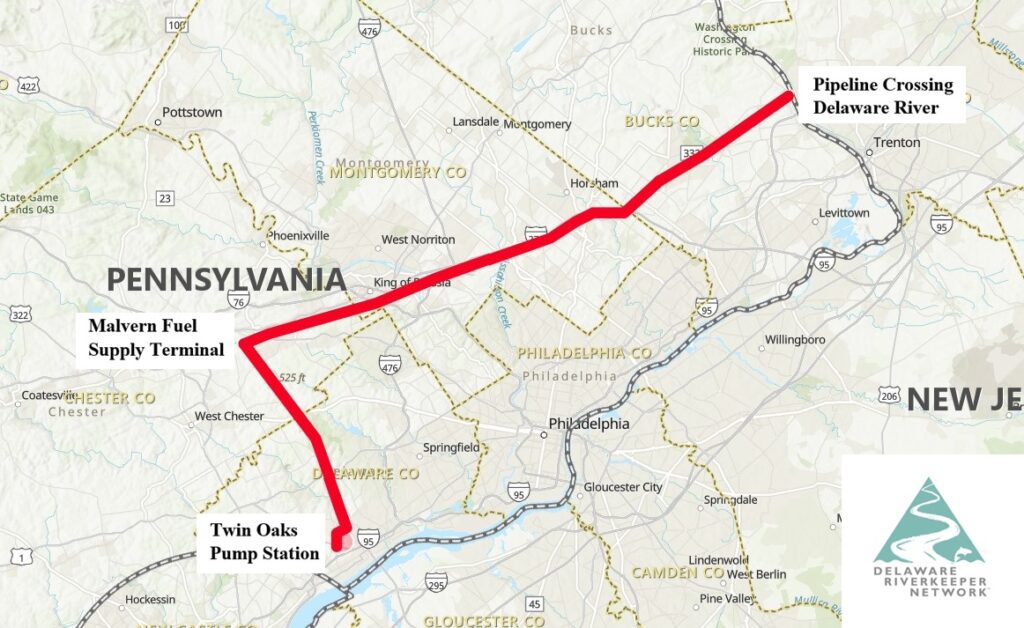
The affected pipeline is part of a 105.5-mile liquid petroleum product pipeline that runs from the Twin Oaks Terminal in Aston, Pennsylvania to the Newark Terminal in Newark, New Jersey. The most recent major work on the line was in 2022-2023 when Sunoco replaced the existing Delaware River pipeline crossing with 2,500 feet of pipeline installed underneath the Delaware River through the process of Horizontal Directional Drilling (HDD).
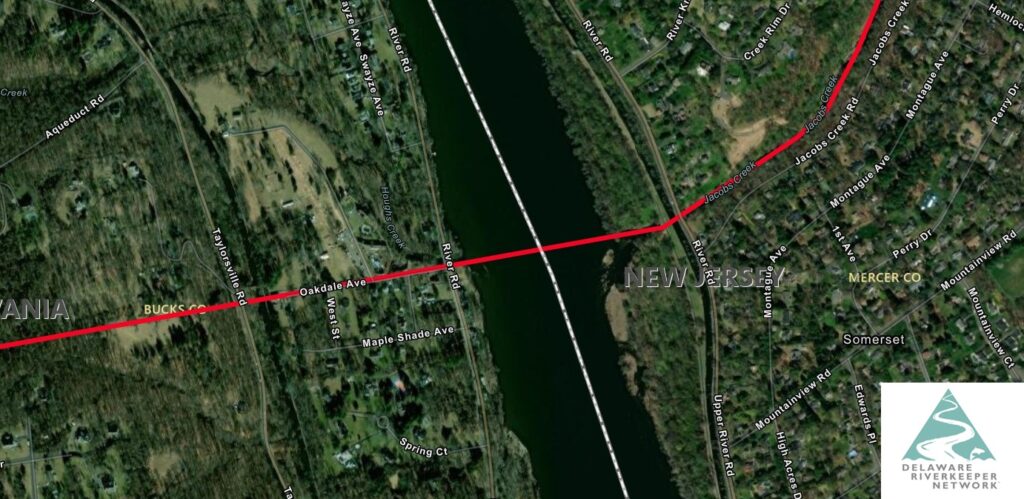
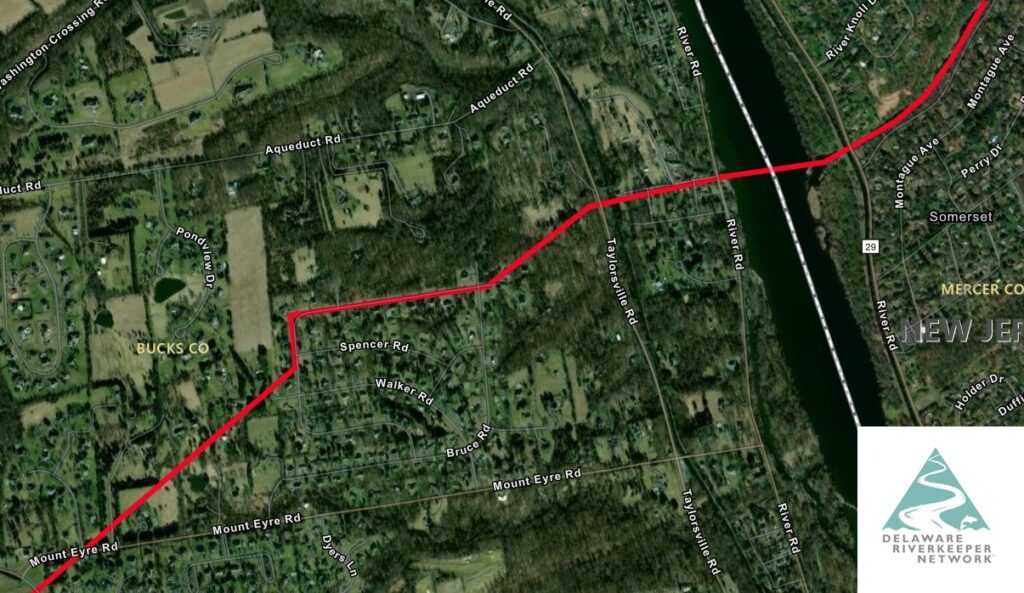
However, the section of pipeline in Upper Makefield Township that leaked is old, dating back to 1956. The failure of this pipeline demonstrates repeated errors by Sunoco over a protracted period of time, at least 16 months, that led to the prolonged release of jet fuel into the soil, the groundwater, the aquifer, and into residential wells. Sunoco failed to adequately respond to reports from residents on several occasions, its equipment failed to detect pollutants in residents’ well water, and multiple Sunoco inspectors missed heeding the warning signs of the presence of a serious leak or break in the pipeline.
Residents have been bringing their concerns to the Township, Sunoco, PA Department of Environmental Protection and the Pipeline and Hazardous Materials Safety Administration (PHMSA) at public meetings and advocating for swift action and thorough investigation of the pollution plume and the wells impacted. The Upper Makefield Township Board of Supervisors sent a letter on February 7 to Sunoco/Energy Transfer to shut the pipeline down, followed by a Township Resolution on February 13 articulating their concerns and calling for the pipeline to be closed and remedial measures to be taken immediately. Many elected officials who represent the area have attended the several township-hosted meetings and sent letters to Sunoco/ Energy Transfer and PHMSA, demanding action.
Sunoco/Energy Transfer says they repaired the pipeline on February 2 and restarted the pipeline within about 48 hours. On February 13, 2025, the Pipeline and Hazardous Materials Safety Administration (PHMSA) released a Notice of Proposed Safety Order (PHMSA Order) which stated that “continued operation of the Twin Oaks pipeline system without corrective measures would pose a pipeline integrity risk to public safety, property, or the environment”; and that “this risk potentially exists throughout the entire Twin Oaks pipeline.” Despite these concerns, PHMSA is only requiring the restriction of the pipeline operating pressure by 20% and the accomplishment of required tasks while the PHMSA Order is carried out.
This is unacceptable. It is crucial that the entire pipeline be shut down immediately so investigations into the leak can be safely carried out; soil, aquifer and surface water impacts can be assessed and mapped; and any other as yet undiscovered leaks can be tracked down and abated. PHMSA has the authority to order this and should do so – the actions it ordered for Sunoco/ET to carry out to address the pipeline failure is extensive and PHMSA should require they be carried out without the pipeline in operation. Decommissioning of this pipeline should be put under consideration as well. Pollution releases from the pipeline can directly impact local and regional aquifers, groundwater, the tributary watersheds of the creeks that flow to the river (both Dyer Creek and Houghs Creek in Upper Makefield are in the impact zone of the known leak), the Delaware River and the water supply of millions of people. All of this is of huge consequence to the larger region, the public, and to the Delaware Riverkeeper Network, which is dedicated to defending the Delaware River and its watersheds, communities, species, and habitats.
DRN has communicated with PADEP, PHMSA, and NJDEP on the many issues involved with the pipeline failure and resulting pollution. See Supporting Documents below for communications. As of January 2026, a year after the leak became public, some actions have been taken by Sunoco/Energy Transfer as required by PHMSA’s Consent Agreement with Sunoco/Energy Transfer. But the pipeline continues to operate without knowing if there are more leaks; the public does not know if all the Type A sleeves have been investigated as required; there’s no public information about the investigations that may be going on in the area outside of the Mt. Eyre neighborhood and the 500 foot perimeter in Upper Makefield; and NJDEP seems to be MIA, with no records available and no response to our letter asking them how the required investigation for the entire 101.5 mile pipeline is being carried out on the substantial length of pipeline in New Jersey. A response to the deficiency letter issued by PADEP last fall to the company outlining what they must do fully comply to PADEP’s requirement for the Interim Site Characterization Report was due Jan. 5. This letter is supposed to be open for public comment for 30 days. DRN has asked DEP where the letter has been published and how to comment. There is no new information on the PADEP, PHMSA, or Energy Transfer/Sunoco websites about upcoming briefings, actions, or documents since last year.